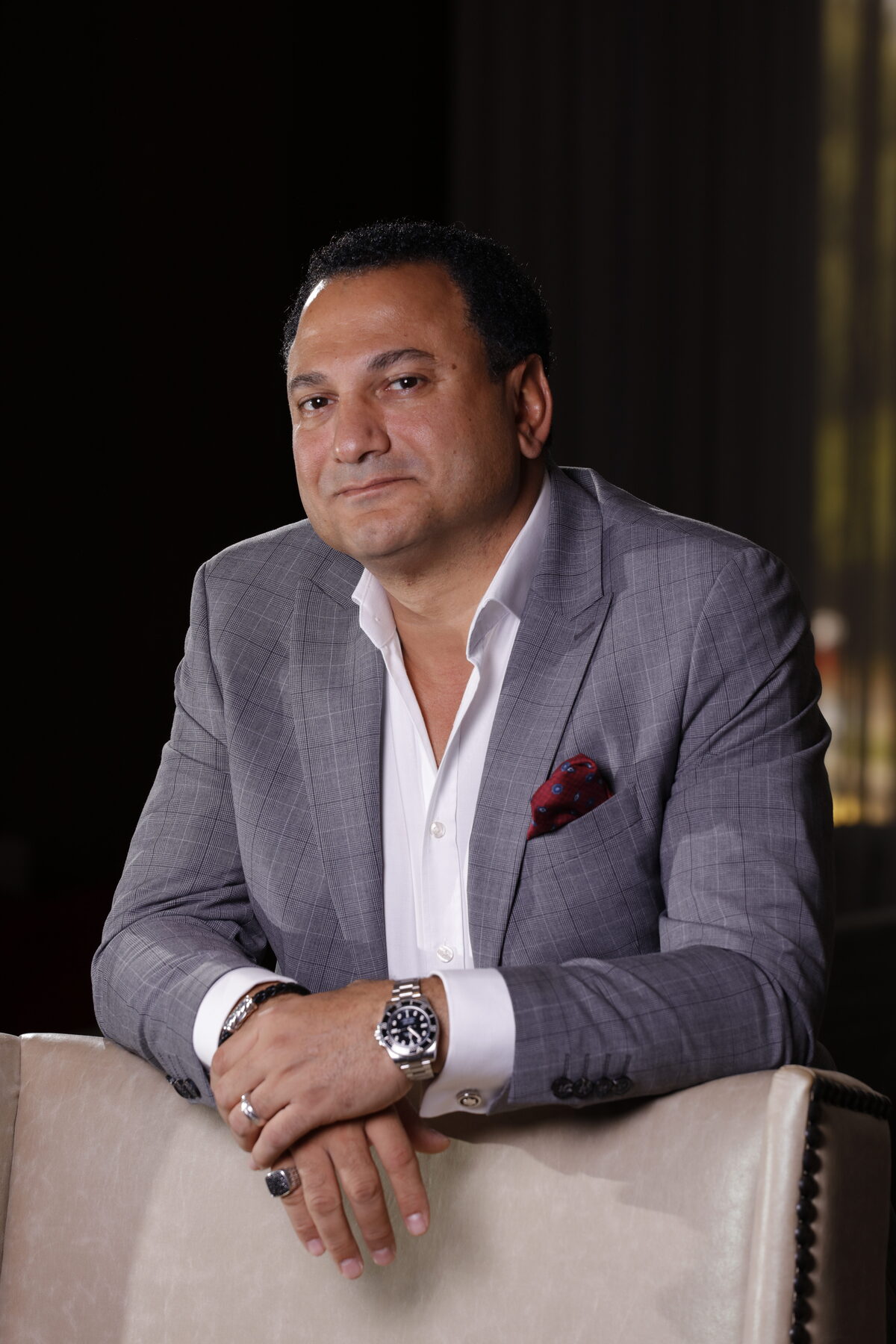
Environment 01
01
Construction & Build-Outs
From early-stage site walks through active construction to pre-opening readiness. Operator-level involvement in execution sequencing, timeline discipline, and build-to-brand alignment.
→
Operator · Chief Executive
A house built on discipline, standards, and the long view.
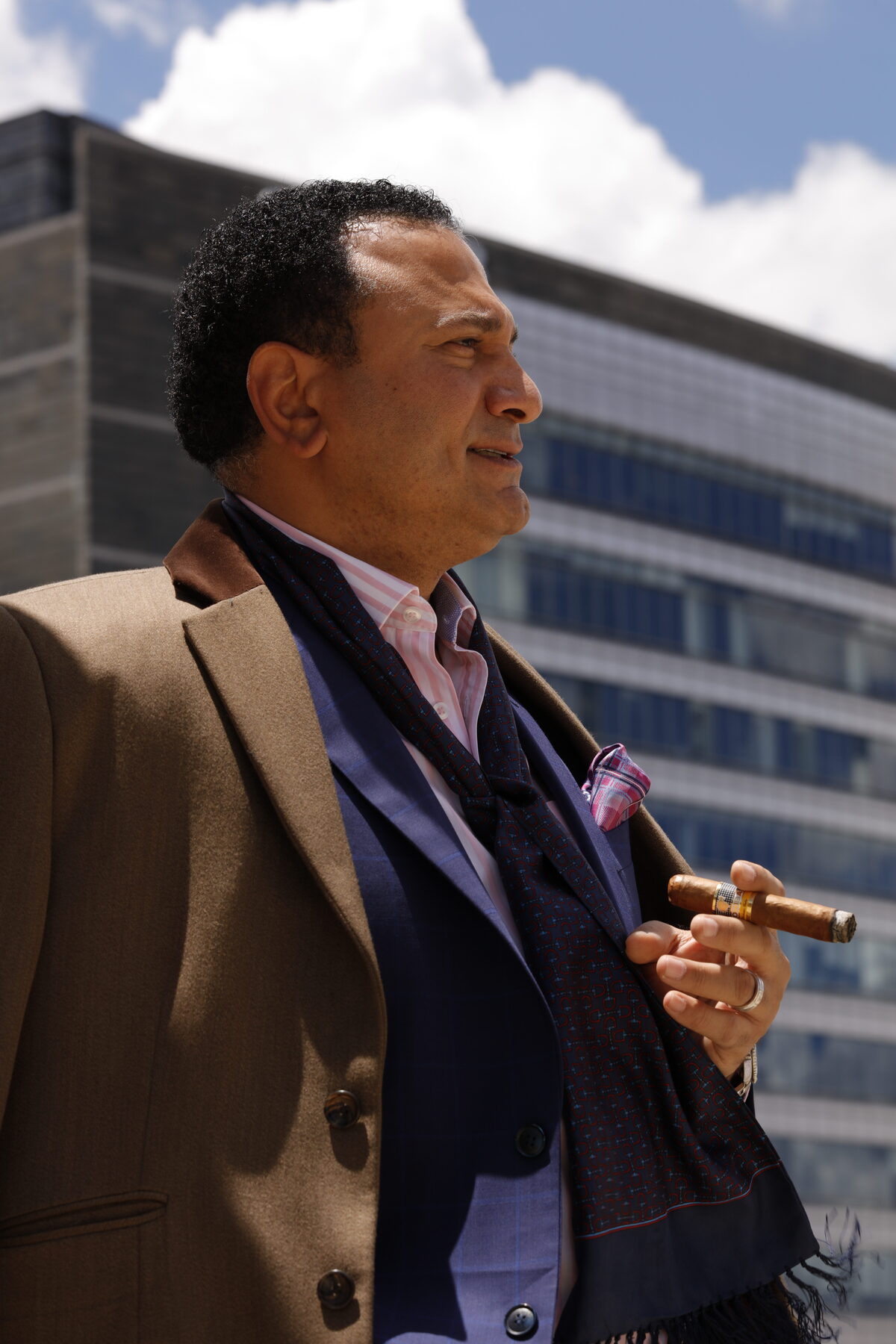
There are people who build for attention.And there are people who build because they understandresponsibility.
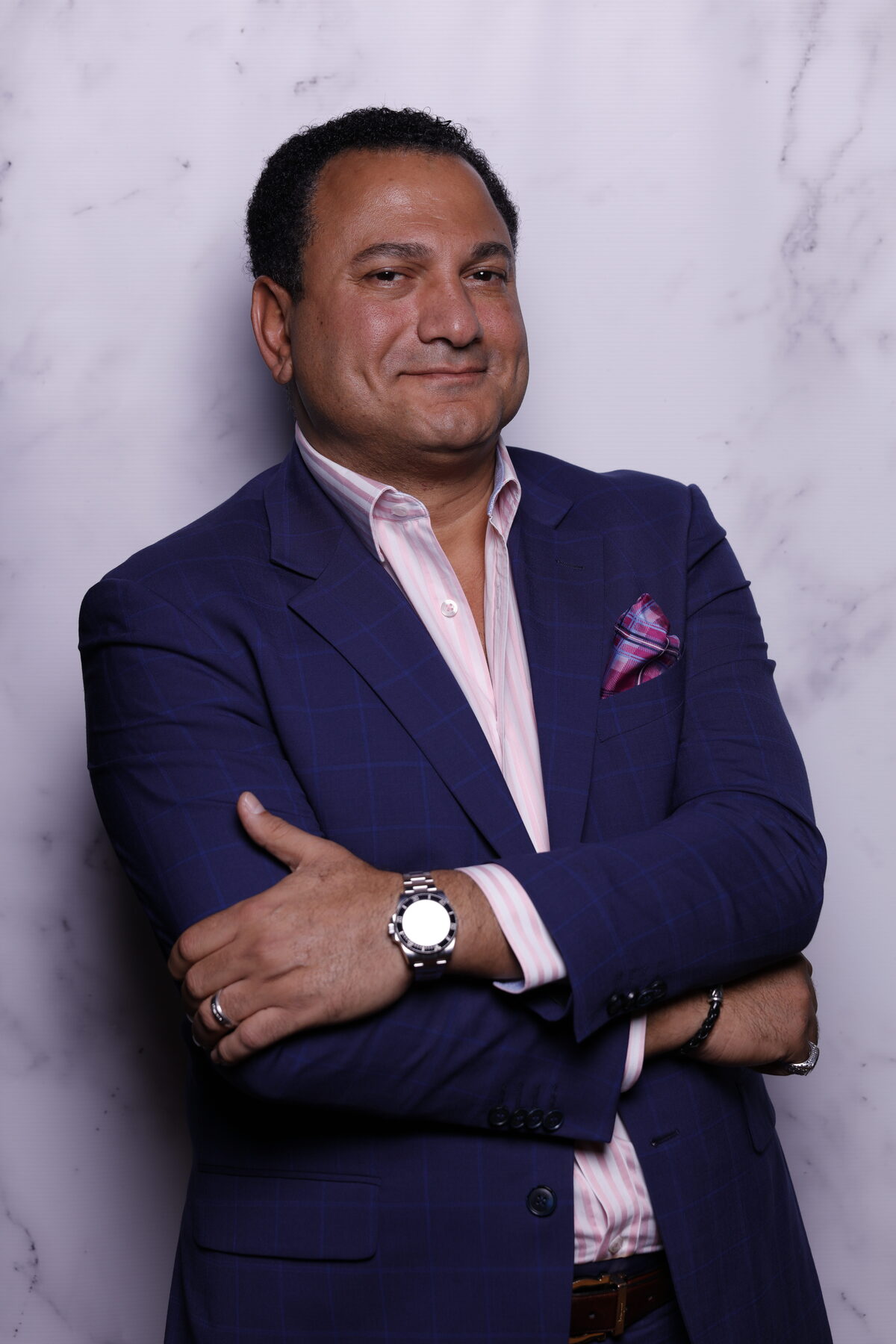
One of six siblings. My father passed when I was fourteen. Life didn't slow down — it grew heavier.
By sixteen, I was already working. Not out of ambition. Out of necessity.
Responsibility came early. It never left.
And then something happened that
changed everything.
I went through a surgery I didn't come back from the same way.
I died — and came back.
It removed hesitation.
It removed fear of starting over.
It gave me a different understanding of time.
"If I'm going to build something, it has to matter."
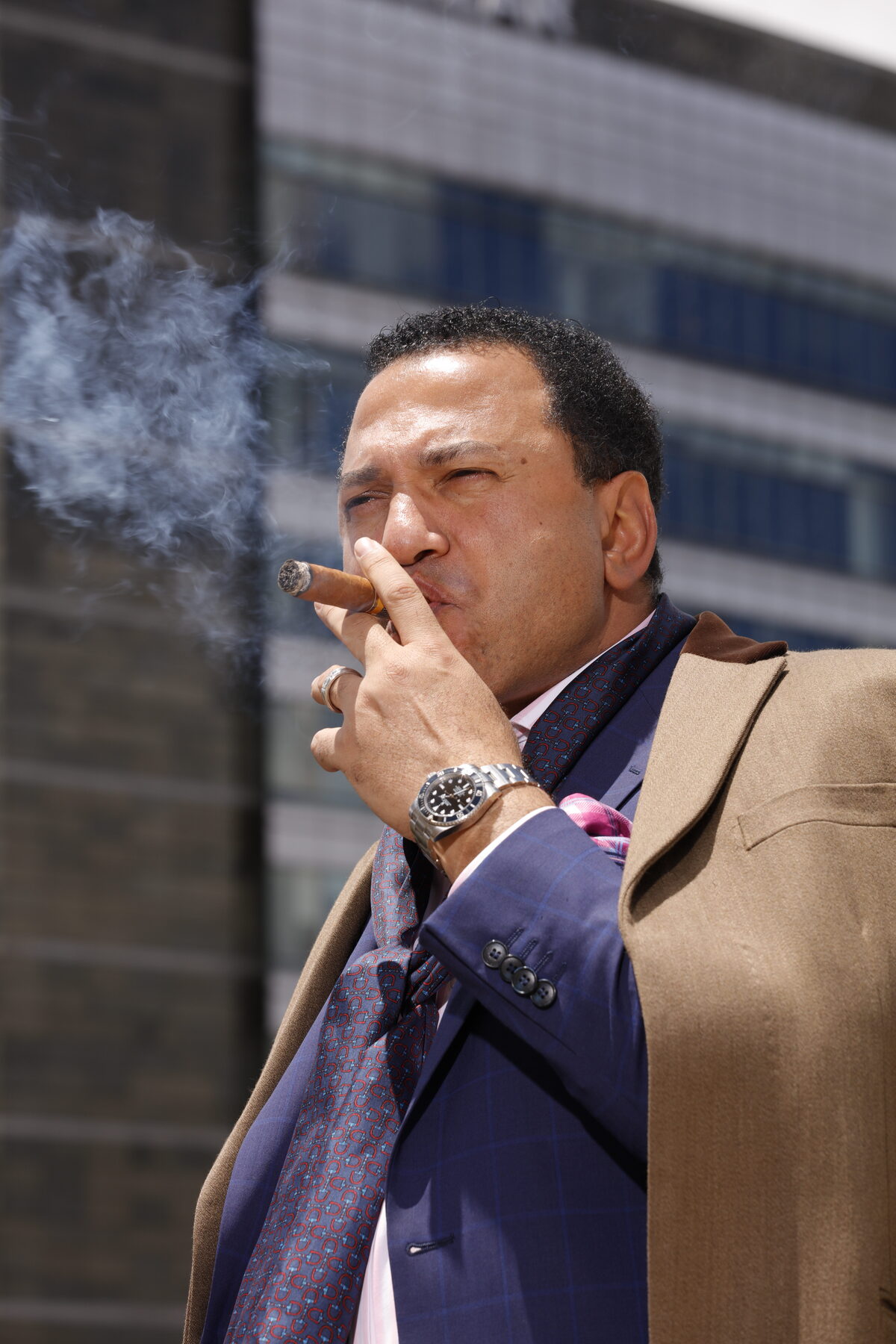
Pressure doesn't
build character.
It reveals it.
I've trusted the wrong people.
I've made mistakes.
I've lost millions.
And I never saw it coming.
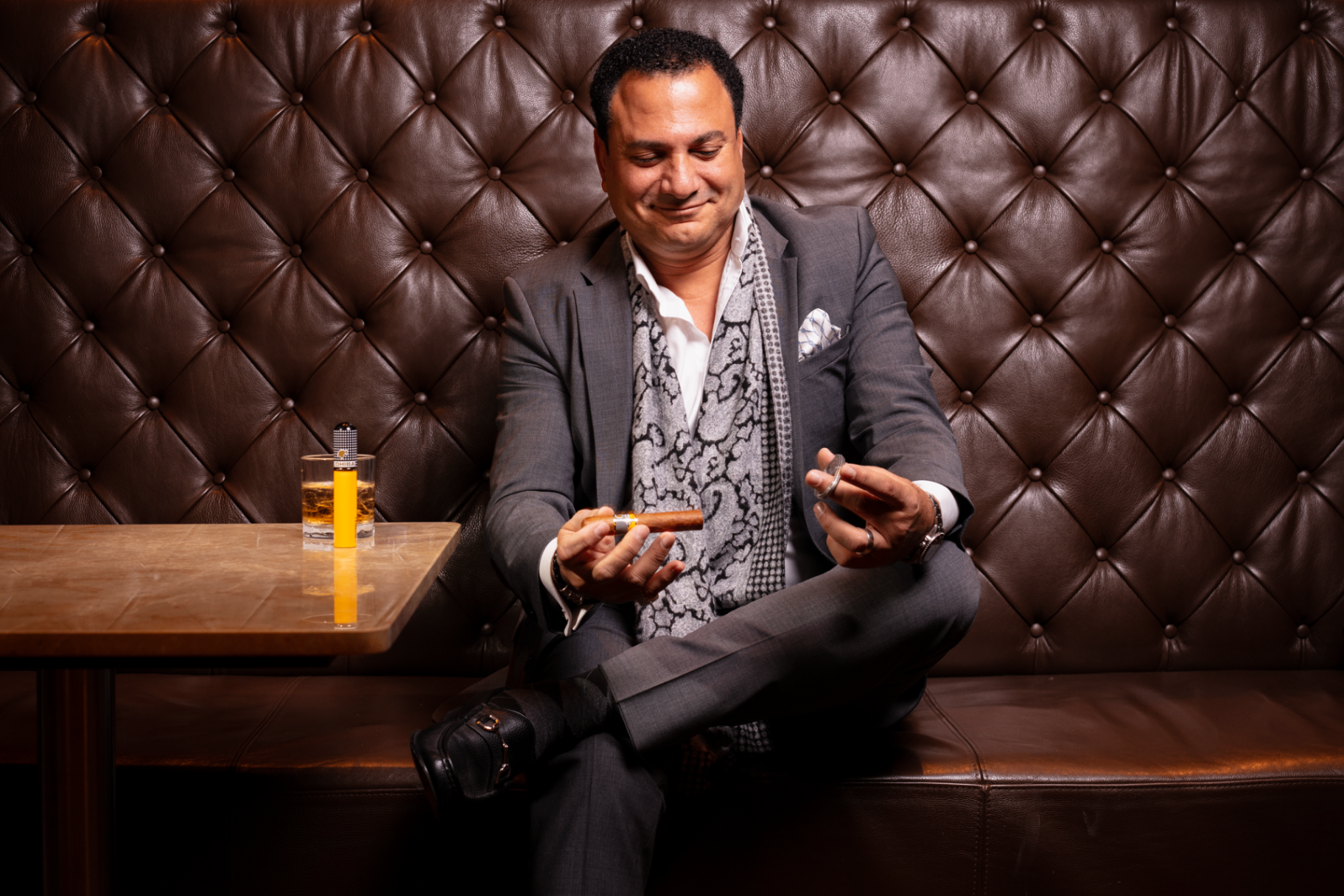
Italian coffee and pastry roots.
Built to be respected.
Standards designed to scale.
A modern café culture.
Not projected demand. Contracted growth.
Operator Intelligence
I don't build brands for attention.
I build them for scale.
Most businesses do not fail from lack of ambition.
They fail from bad reads, weak systems, soft decisions, and expensive delusion. The market never lies — most people just don't know how to read it.
From site selection to systems. From numbers to narrative. From operator logic to commercial strategy. I see the full picture — and where the money actually is.
"Most people build brands.
I build revenue engines."
Attention is not a business model. Revenue is engineered through decisions — not optics, not visibility, not brand aesthetics.
Why most franchisees fail before opening. The failure starts long before launch — in assumptions, capitalization, and site decisions.
Demographics, location strategy, and real behavior patterns determine more than ambition does. I read what the market is actually saying.
Businesses are not built in vision sessions. They're built in daily decisions — and the discipline to make them correctly, consistently.
Pressure reveals people. Leadership is ownership under uncertainty — not charisma, not motivation, not optics. Ownership.
Life is not yours — it was given to you. What you build with it is the only question that matters at the highest level of leadership.
A diagnostic framework for identifying where revenue is generated, where it leaks, what activities feel valuable but are commercially false, and what decisions unlock true scale.
A pre-commitment evaluation of why concepts die in the wrong market. Visibility, access, demographic mismatch, traffic quality, local spending behavior, competitive adjacency.
Spotting failure before launch: undercapitalization, fantasy forecasting, weak operator readiness, false demand assumptions, timeline delusion. Most failures are visible early.
Operators evaluate systems, test downside, and read unit economics. Buyers chase concepts, fall in love with aesthetics, and commit on excitement. The difference is everything.
The single governing question for every major business decision: Does this model survive pressure — staffing pressure, cash pressure, execution pressure, demand pressure, leadership pressure?
I came to America to save my brother's life. No donor could be found. I was the match.
I donated 60% of my liver — signed a waiver with a 70% chance of not surviving — and faced a 14-hour surgery. For more than 60 seconds, I was gone.
When you have faced real pressure at that level, fear stops being a useful emotion. What remains is clarity, responsibility, and the willingness to make hard decisions without delay.
That is not a story about suffering. That is the origin of my standards in business, in leadership, and in life.
"I don't use my story for sympathy. I use it to explain why I don't waste time, don't worship fear, and don't make soft decisions."
Most businesses have positioning problems they call marketing problems. The real issue is that the brand is not connected to commercial outcomes — it's connected to aesthetics, sentiment, and visibility theater.
This engagement reorients everything. We start with the model, the audience, the economics, and what the market is actually responding to. From there, I build a positioning platform that sharpens trust, clarifies message hierarchy, and creates a brand that influences behavior, builds authority, and drives measurable revenue outcomes.
A beautiful brand with bad economics is still a bad business. This engagement makes the brand serve the business — not the other way around.
The wrong location can kill the right concept. I have seen operators with excellent models, strong teams, and real ambition fail because they committed to a market that was never going to say yes.
This engagement gives decision-makers the clarity they need before they commit. I analyze local demographics, spending behavior, traffic quality, competitive adjacency, visibility factors, and the real indicators of whether a market will support what you're building.
The market always tells the truth. Most people just don't know how to read it. This engagement is built around reading it correctly — so that your next decision is grounded in what the data, the geography, and the behavior are actually saying.
Some decisions require more than a framework. They require someone in the room who has operated under real pressure, who understands the full picture — from the numbers to the narrative, from the buildout to the brand — and who will tell you what they actually see.
This engagement is ongoing strategic advisory for founders and operators who need sharper judgment applied to real decisions: launch readiness, expansion logic, systems gaps, execution breakdowns, leadership pressure, and what happens when the plan meets the market.
This is not a coaching relationship. It is a principal-level advisory engagement for people who are making expensive decisions and want an operator's mind in the conversation.
Mark speaks to audiences that are done with motivation theater. The people who come to his talks are operators, franchisees, investors, and founders who want a harder, more honest conversation about what leadership actually demands — and what business actually requires.
His talks combine operator intelligence, real business frameworks, and a perspective forged under genuine pressure. This is not theory. It is judgment — and the story behind why that judgment is uncommon.
Mark speaks on leadership under pressure, franchise reality, where the money actually is, operator discipline, site and market strategy, decision-making frameworks, and what it means to build something that lasts.
If you want clarity, scale, and real decisions — let's talk.
Work shaped by site visits, buildouts, strategy sessions, and the operator decisions that actually determine whether a business scales or stalls.
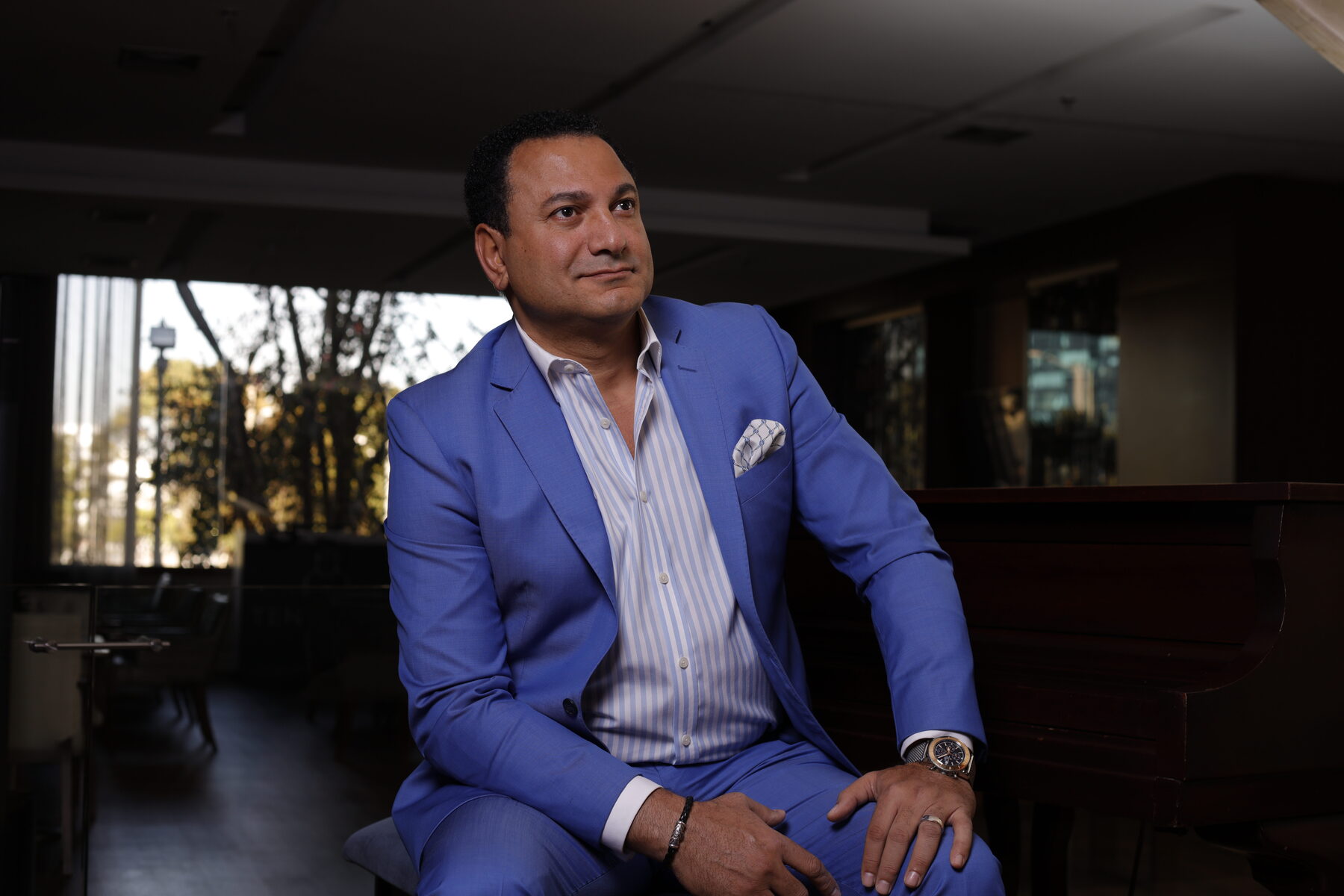
Real decisions.
Real environments.
Real results.
Work shaped by site visits, buildouts, strategy sessions, and the operator decisions that actually determine whether a business scales or stalls.
From early-stage site walks through active construction to pre-opening readiness. Operator-level involvement in execution sequencing, timeline discipline, and build-to-brand alignment.
Floor plans reviewed against operational logic. Market maps evaluated against demographic reality. Site decisions tested against the Location Kill Factors framework before commitment.
Multi-unit operator with strong brand awareness but disconnected economics. Repositioned the commercial narrative, aligned messaging with unit-level revenue drivers, and rebuilt the offer structure around actual margin behavior.
Sharper positioning, cleaner commercial framework, stronger market entry for new locations.
Franchise operator considering three locations across two markets. Applied the Location Kill Factors framework — demographics, visibility, access, competitive adjacency — before any lease commitment was made.
Two sites eliminated before costly commitment. One clear decision with operator-grade confidence.
Operator scaling from two to five units under significant time pressure. Leadership discipline and decision quality were deteriorating under load. Advisory work focused on ownership architecture, decision frameworks, and the difference between momentum and disorder.
Sharper decision sequencing, clearer ownership structure, better-managed expansion.
If you're serious about what you're building, value systems and discipline, and think long term — we're aligned.
I don't come from theory. I understand risk because I've lived it. I believe in disciplined growth and trust earned over time.
I value clarity and seriousness. The right partnership should make things stronger, not more complicated.
If you're looking for hype, there are plenty of places to find it.
If you're looking for substance, standards, and long-term vision —
Let's build something that lasts.